 Neil Aronson
 Chiang Mai’s temples are more than tourist attractions — they are the heart of northern Thai culture, history, spirituality, and daily life. Visiting them offers a deeper understanding of Thailand beyond beaches and nightlife.
On my first ever trip to Chiang Mai over 15 years ago, the first thing I did was walk around the Old City. And I was truly amazed and all the beautifully preserved temples you could walk to in an afternoon. After marrying my Thai wife, I have come to learn about the real cultural importance of these temples and how meaningful they are.
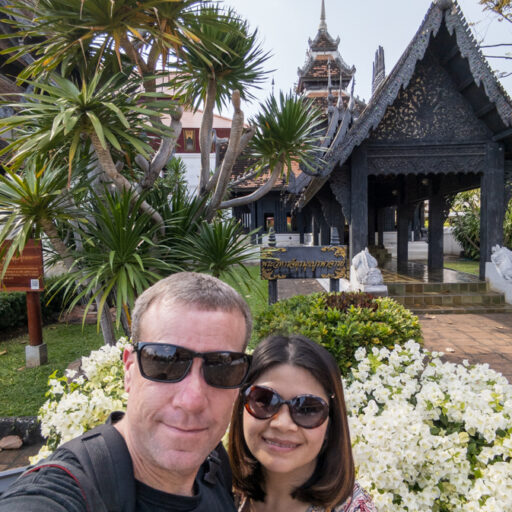
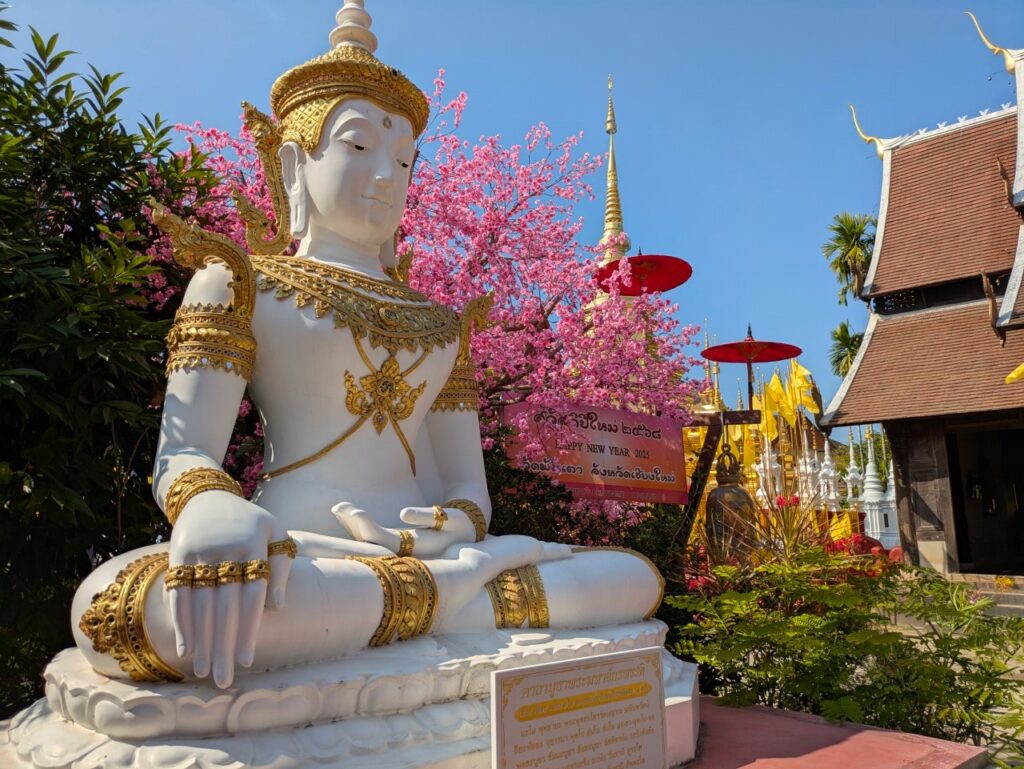
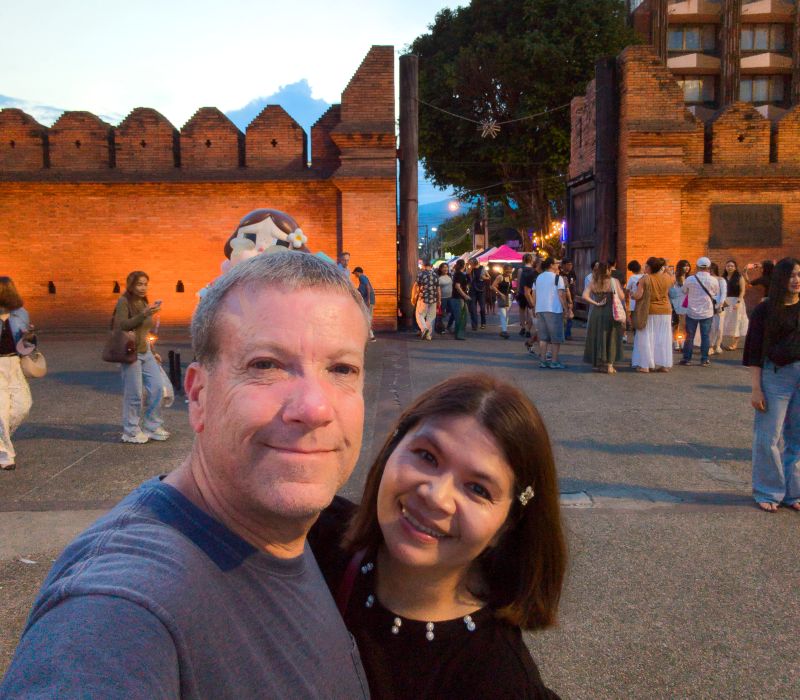
Chiang Mai was the capital of the ancient Lanna Kingdom for centuries, and its temples preserve this unique northern Thai identity. And if you have never seen some of the more popular and largest ones, I do recommend it. However here are some of the smaller, unique ones I love to visit that not so many tourists do visit. Which means sometimes your the only one visiting. Here are some beautiful ones I think are worth visiting.

This page contains links to affiliate partner websites, at no cost to you. As an Amazon Associate I earn from qualifying purchases. See Disclosure Page.
Be Respectful
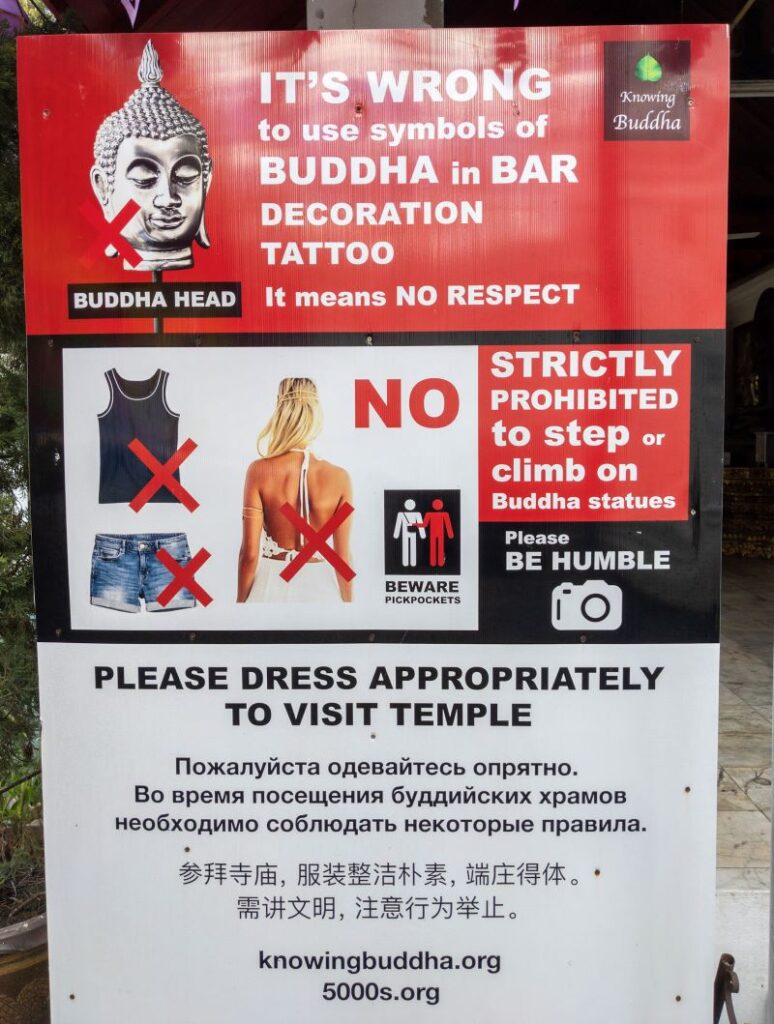
Most temple grounds will have signs before you enter, but don’t be a unprepared tourist. Know before you go to visit these best 5 temples. Please respect their culture and traditions.
Dress respectfully when you visit any temple in Thailand. Make sure your shoulders are covered (no vests, tank-tops or spaghetti straps). Although skirts or shorts are acceptable at many temples, they should be smart and at least knee-length.
Take off your shoes before entering the temple buildings. If you are wearing a hat, that should also be removed before going inside.
Don’t sit on the platform or chairs reserved for monks. Monks are prohibited from touching women and women should never hand anything directly to a monk.
Wat Lok Molee
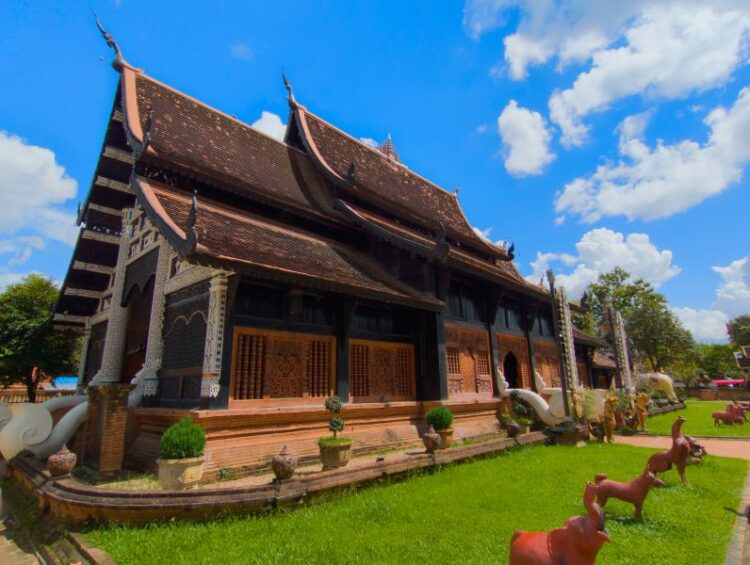
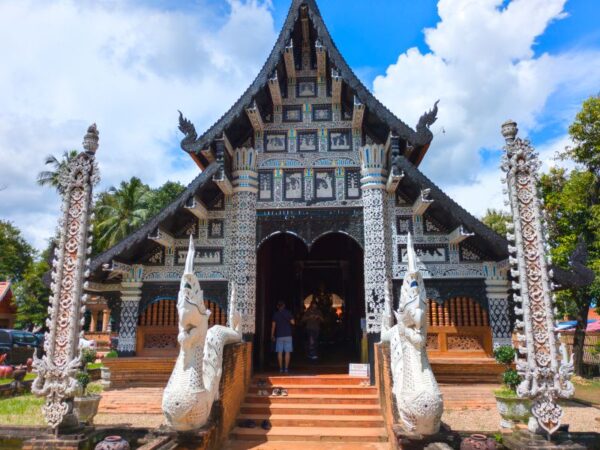
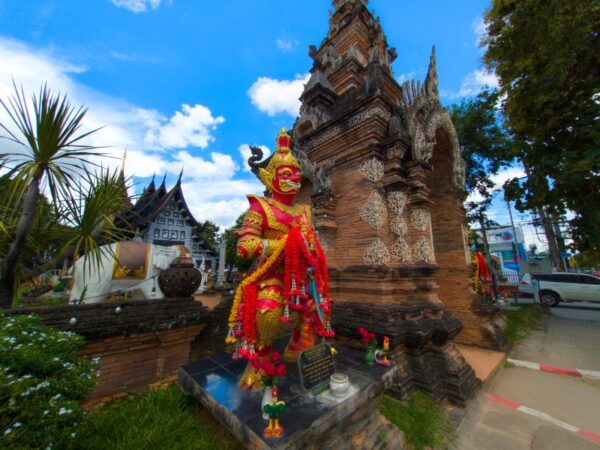
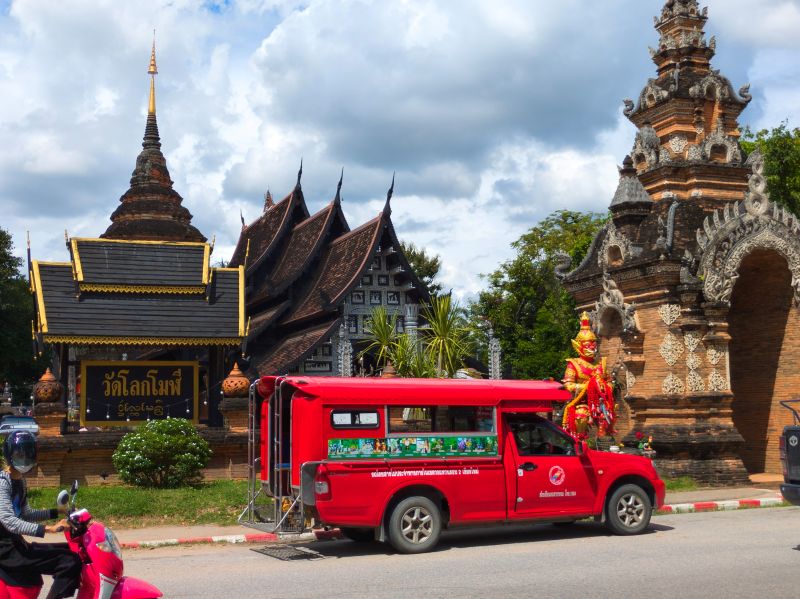
Wat Lok Moli is one of Chiang Mai’s most atmospheric and historically significant temples. Located just outside the northern moat near Chang Phuak Gate, it is famous for its massive exposed-brick chedi, beautiful Lanna-style wooden viharn (assembly hall), and peaceful setting that is often much quieter than more famous temples such as Wat Phra Singh and Wat Chedi Luang. I finally went recently, and could not believe I had not been before.
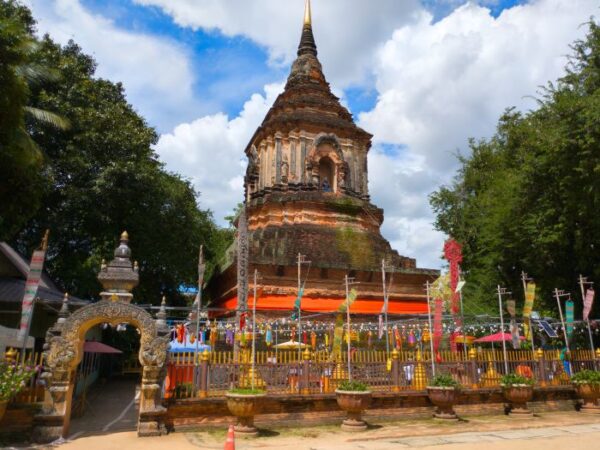
The temple’s most iconic feature is its towering dark-brick chedi, built in 1527. Its weathered appearance creates one of the most photogenic temple scenes in Chiang Mai. The ashes of several rulers and members of the Mangrai Dynasty are enshrined here, including Queen Wisutthithewi.
Why Visit?
- Ancient history — First documented in 1367, making it one of Chiang Mai’s oldest temples.
- Royal significance — Served as a cremation and burial site for members of the Mangrai Dynasty.
- Unique chedi — The large 16th-century brick chedi remains mostly unplastered, giving it a striking and authentic appearance.
- Traditional Lanna architecture — The ornate wooden viharn features intricate carvings and a serene Buddha image.
- Peaceful atmosphere — Less crowded than many central temples, ideal for photography and quiet reflection.
- Address: 298/1 Manee Nopparat Road, just west of Chang Phuak Gate on the north side of Chiang Mai’s Old City moat.
- Easy to reach by foot, bicycle, or tuk-tuk from the Old City.

Wat Ket Karan
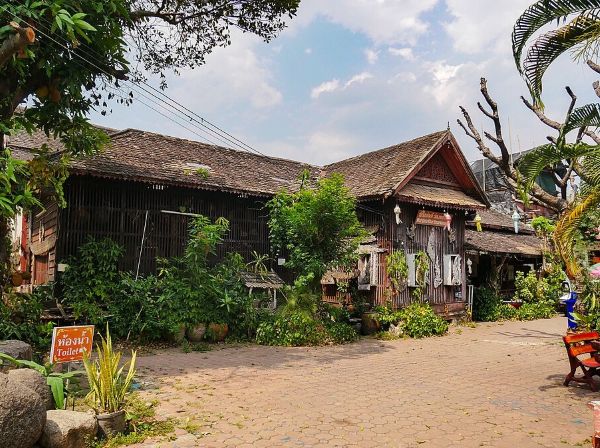
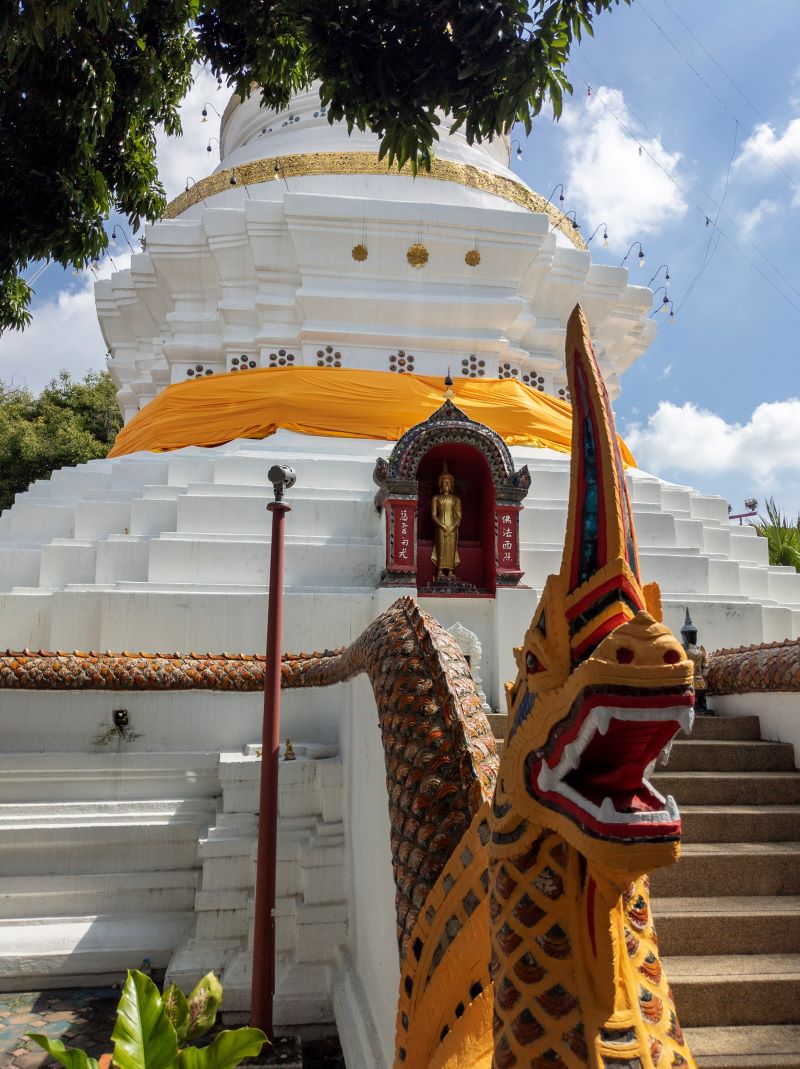
Wat Ket Karam (sometimes written Wat Gatekaram or Wat Ket) is a historic riverside temple on the eastern bank of the Ping River in Chiang Mai. It is best known for its blend of Lanna, Burmese, Chinese, and Shan influences, reflecting the multicultural trading community that once flourished in this part of the city.
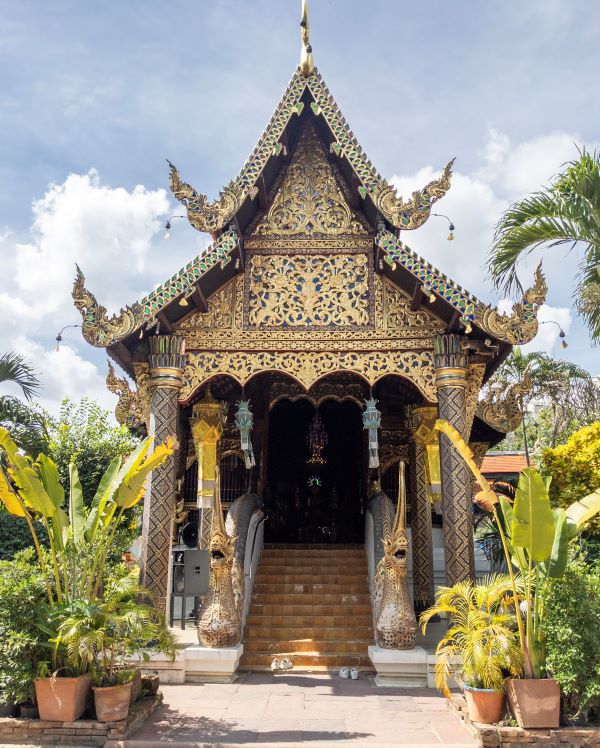
The temple sits in the charming Wat Ket neighborhood, an area filled with old wooden houses, galleries, cafés, and riverside walkways. Inside this temple you will find a unique area of figurines, unlike any other temple.
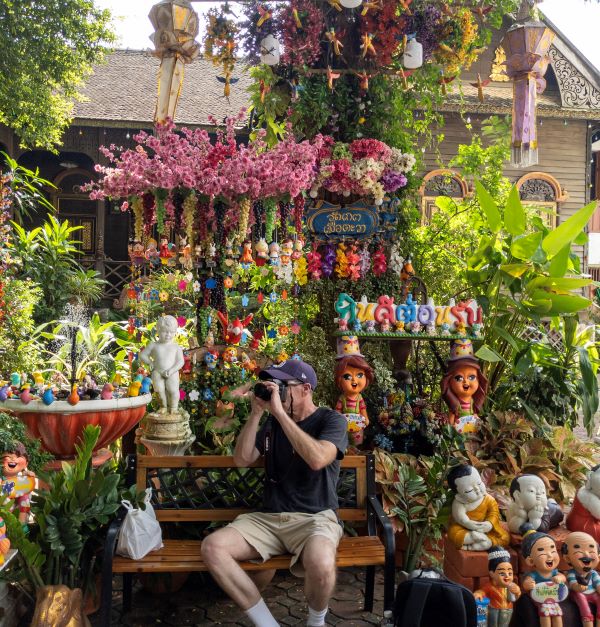
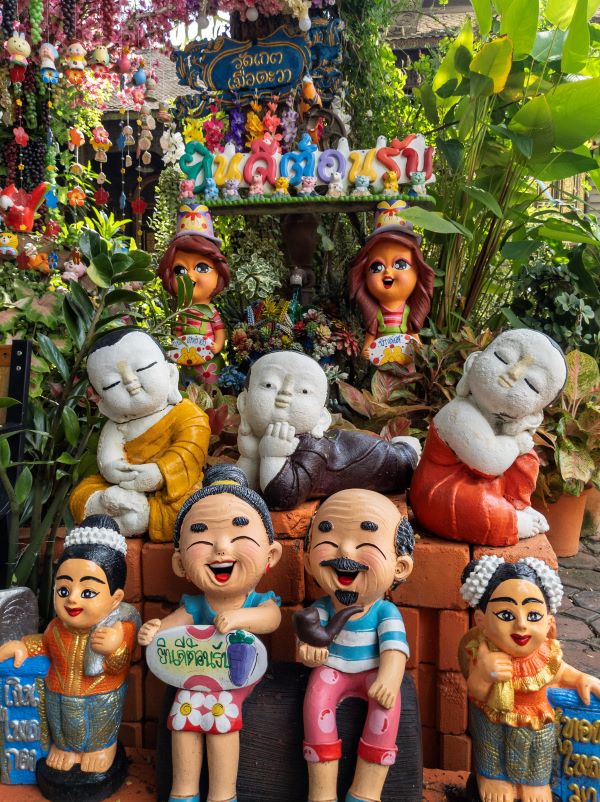
Wat Ket Karam was believed to be built in 1428 during the King Phra Jao Sam Fang Kaen era. He was the King during the Mung Rai dynasty that ruled the region. They also state at the temple that the official original name has never been found. There is a museum that exhibits antiques and old photos that are hard to find, which tell some of the history of Chiang Mai city.
Why Go?
- The unique Figurines displayed and great to take photos with.
- Excellent cultural and historical atmosphere, and usually not many people.
- Great area for riverside walking.
- Interesting local museum inside, which features Old Chiang Mai photographs, and historical items from northern Thailand.
- Beautiful mix of architectural styles.
- Close to cafés and art spaces in the Wat Ket district.
Wat Ket Karam is east of Chiang Mai’s Old City across the Ping River, near:
- Warorot Market
- Iron Bridge
- Charoenraj Road riverside area
Travel Packs
A must have for your laptop, camera gear, valuables, extra clothes


Wat Mahawan
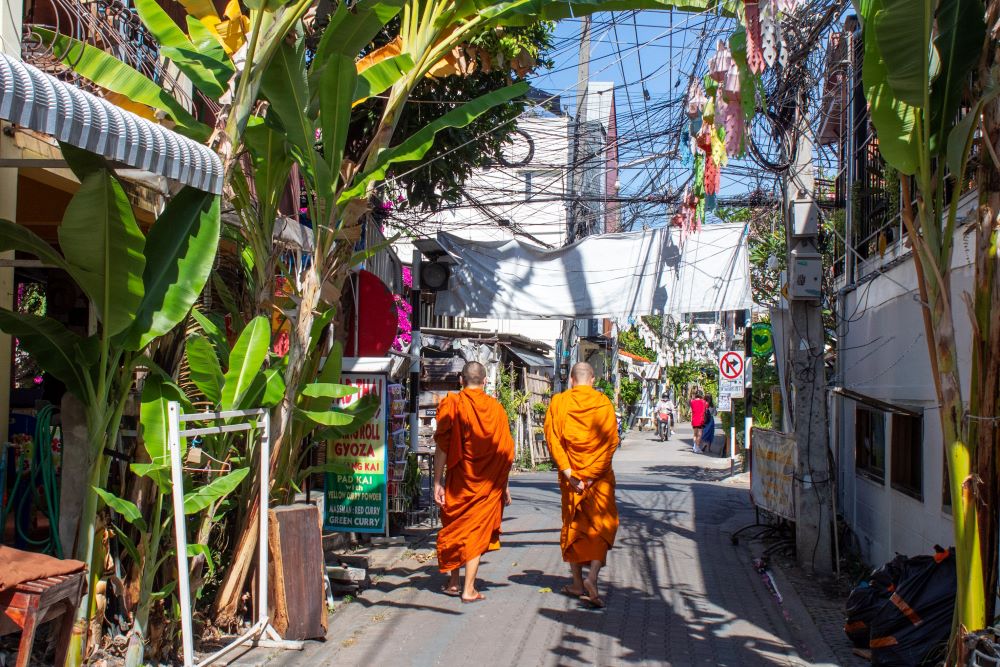
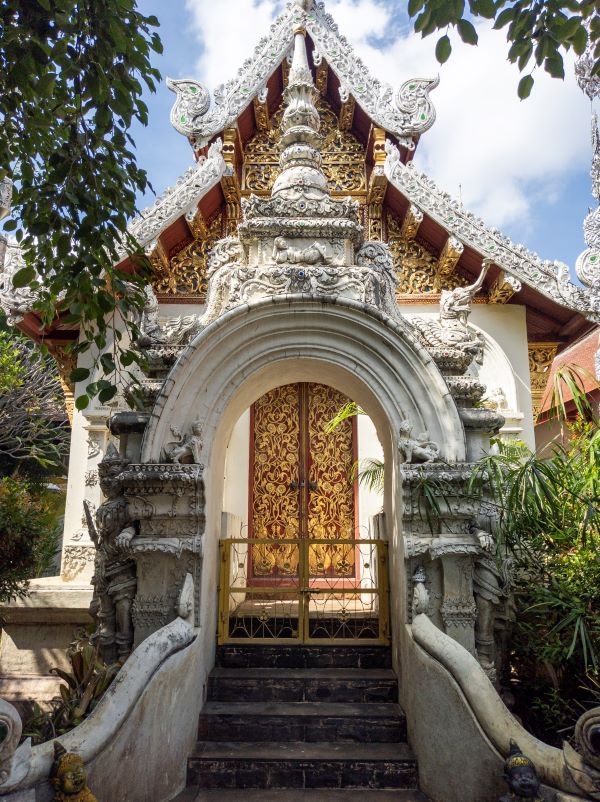
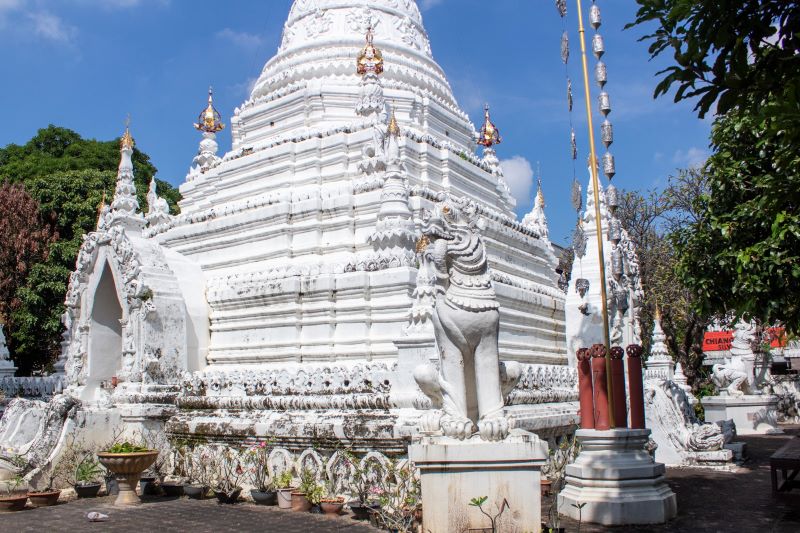
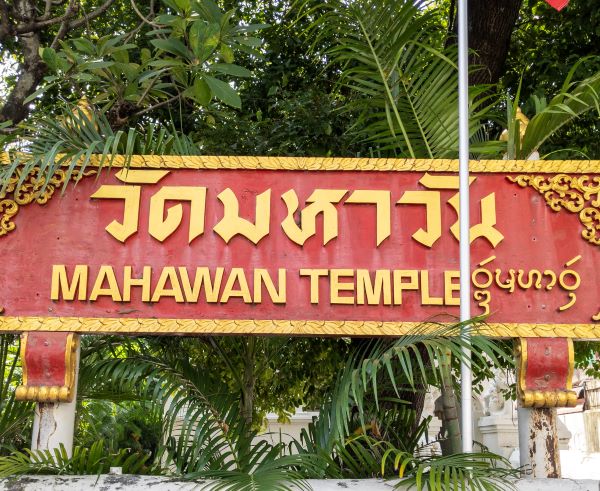
Mahawan temple is not on many articles most see temples list, except mine. For one, I am talking about one’s you can easily walk to. But also this one to me is really cool looking. It’s known for its blend of traditional Lanna and Burmese architecture, reflecting the influence of Burmese teak merchants who lived in Chiang Mai during the 17th–19th centuries. The impressive white Chedi is maybe the highlight.
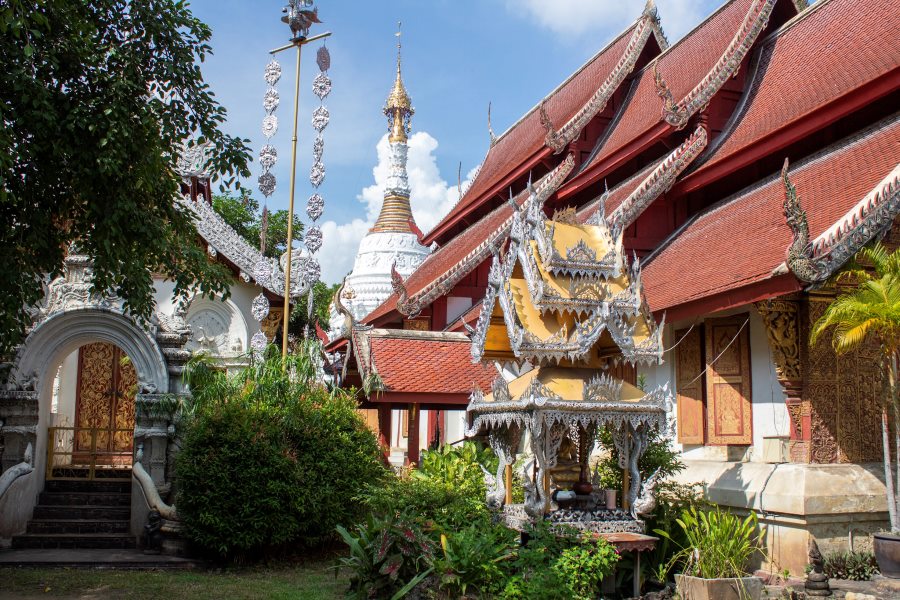
The main viharn was built around 1865, while other structures date from the late 19th century onward. The temple combines Burmese brick structures with classic northern Thai Lanna craftsmanship.
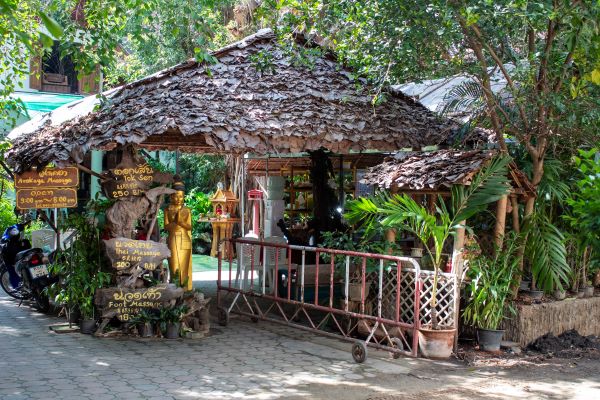
Many visitors also stop here for traditional northern Thai massage and Tok Sen therapy offered within the temple grounds. I have not tried it, but reviews are good.
Why Go?
- A striking Burmese-style white chedi with ornate stucco details.
- Lanna-style viharn (assembly hall) with multi-tiered roofs and naga decorations.
- Guardian lion statues (Chinthe/Singha) around the temple grounds.
- Detailed wood carvings and murals inside the main halls.
- A peaceful courtyard with shade and greenery near the busy Tha Phae area.
- Located on Tha Phae Road, about a 3-minute walk from Tha Phae Gate
- Open daily approximately 6:00 AM–8:00 PM
- Easy to combine with nearby temples like Si Suphan and many others in the Old City.
Wat Si Suphan
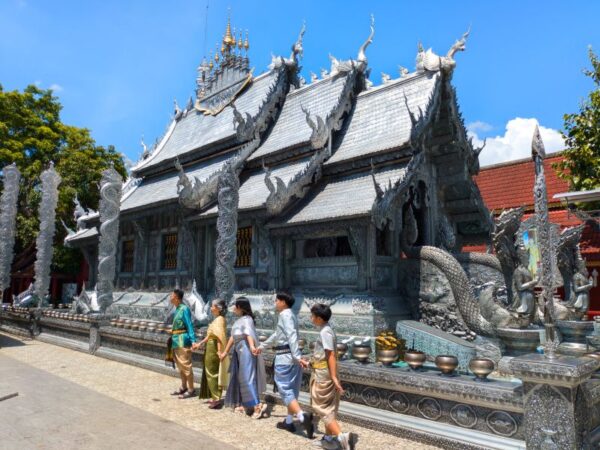
Wat Si Suphan — often called the “Silver Temple” — is one of Chiang Mai’s most unique temples, famous for its intricately handcrafted silver-colored ordination hall (ubosot). The temple is located on Wua Lai Road, south of Chiang Mai’s Old City, an area historically known for silver artisans.
Easy to walk to from the old city, and very near Wat Mahwan, in a nice area of town. I never went here until last year for whatever reason, and was pleasantly surprised. It is small, so it can be visited quickly. However there is an entrance fee, which is fine, but unusual for Chiang Mai temples.
The temple dates back to the 16th century during the Mangrai Dynasty, though the famous silver hall is a modern reconstruction created by local craftsmen to preserve Wua Lai’s silverworking heritage. The neighborhood has long been associated with silversmith communities descended from Shan artisans.
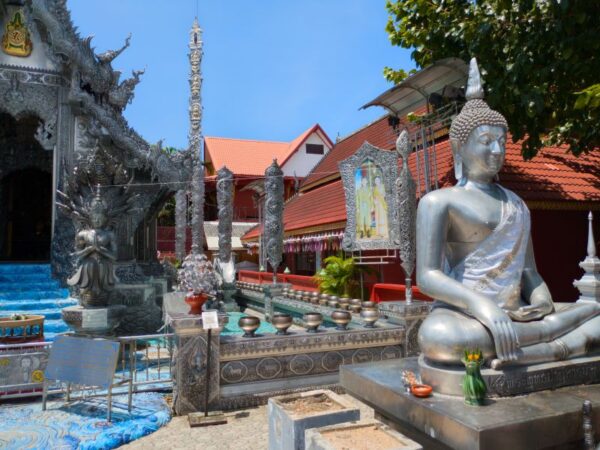
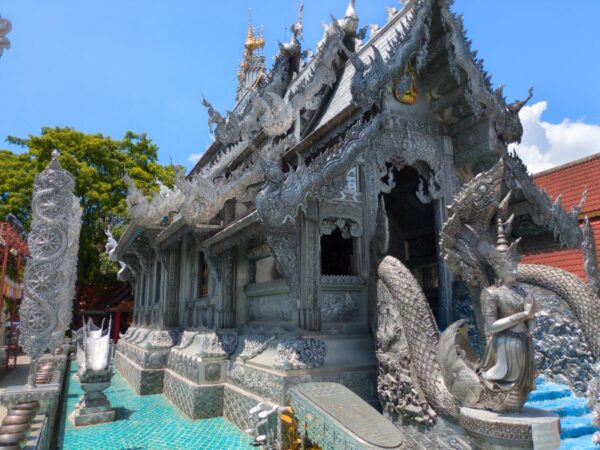
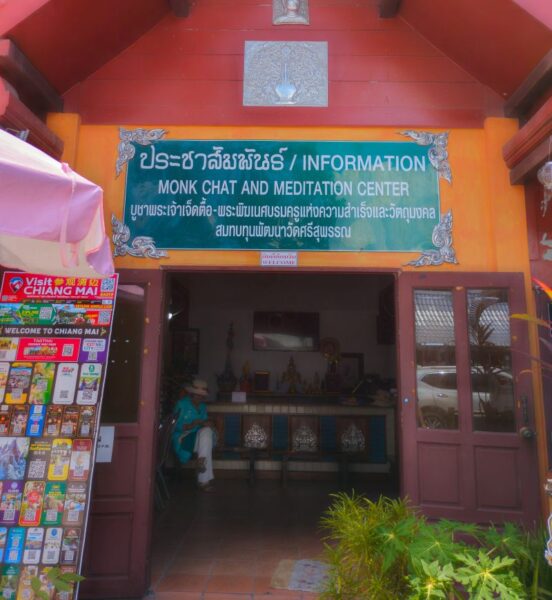
Women are traditionally not permitted inside the silver ubosot due to local religious customs, though the exterior and surrounding grounds can still be explored fully. The temple often hosts monk chats and meditation activities, and there is a meditation center.
Why Go?
- The dazzling silver ubosot covered in repoussé metalwork panels depicting Buddhist stories, animals, and Lanna motifs.
- Traditional silvercraft workshops nearby, where local artisans continue centuries-old techniques.
- Beautiful nighttime lighting when the reflective metal surfaces glow dramatically.
- Murals and sculptures blending Buddhist symbolism with modern imagery and local culture.
- A relaxed setting near the popular Saturday Night Walking Street market.
Wat Phan Tao
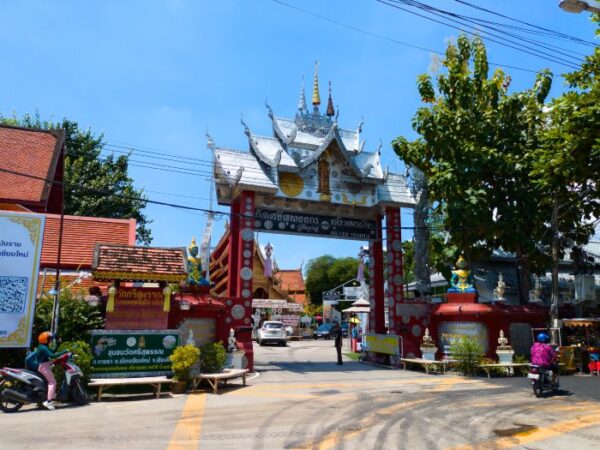
Wat Phan Tao means “The Monastery of a Thousand Kilns”. According to the noted British author and photographer, Michael Freeman, this is probably due to the fact that the site was used for the casting of Buddha images intended for Wat Chedi Luang.
The building was originally constructed not as a monastery, but as a royal palace building (ho kham) for the ruler of Chiang Mai, Chao Mahawong, who used the structure from 1846 to 1854.
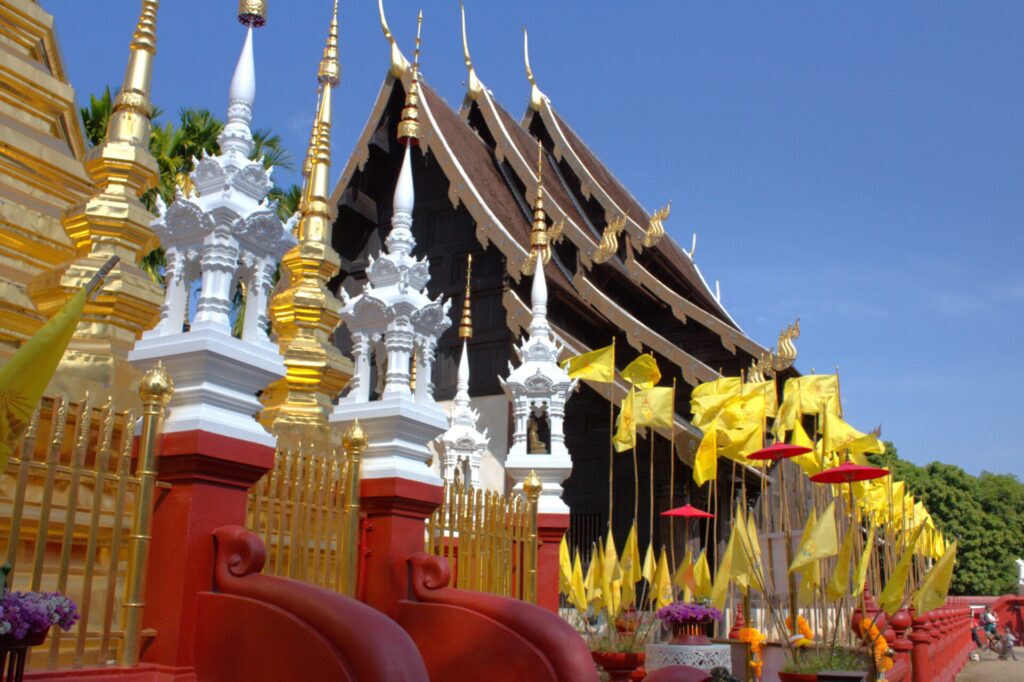
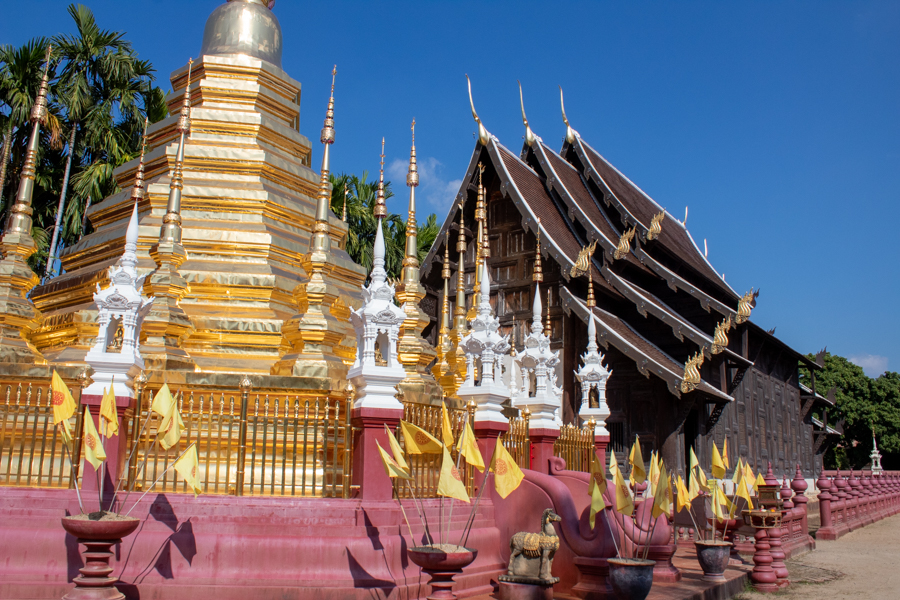
The Viharn (Buddhist assembly hall), is made up of teak wood and is considered one of the finest examples of traditional Lanna wooden architecture in Chiang Mai.. The plaque near the entrance states that the viharn is,- “..the most beautiful teak viharn in Chiang Mai”.
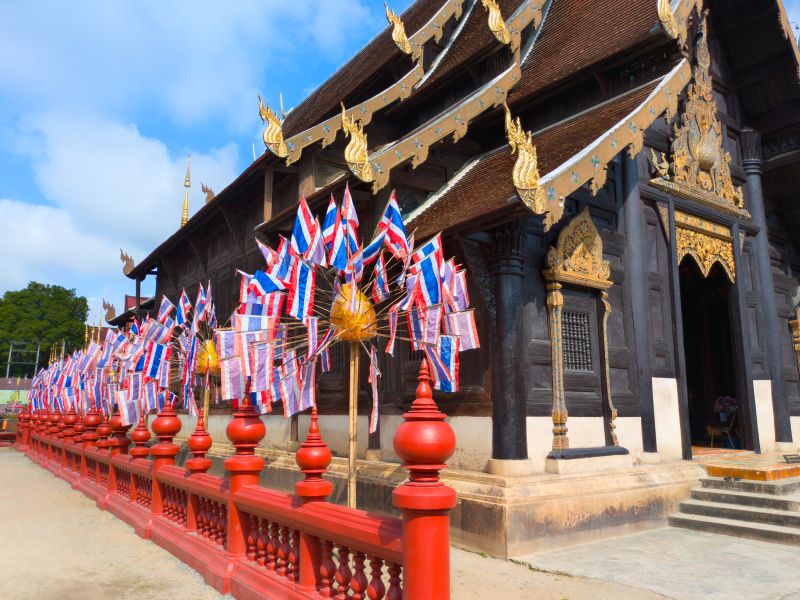
The Chedi used to be dark colored, but has since undergone a transition and now sparkles in the sunlight. the temple is also home to a well-known Buddhist teaching school, the Dhammamethisueksa School, where novice monks and others receive instruction on Buddhism.
Why Go?
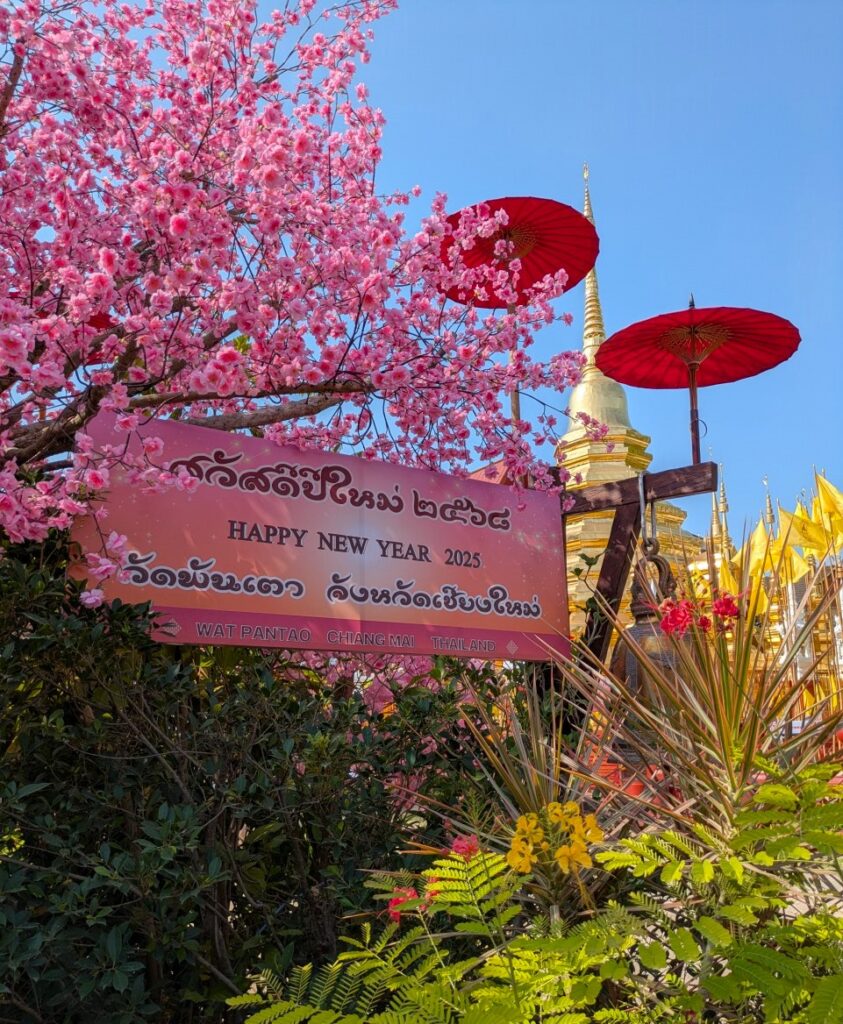
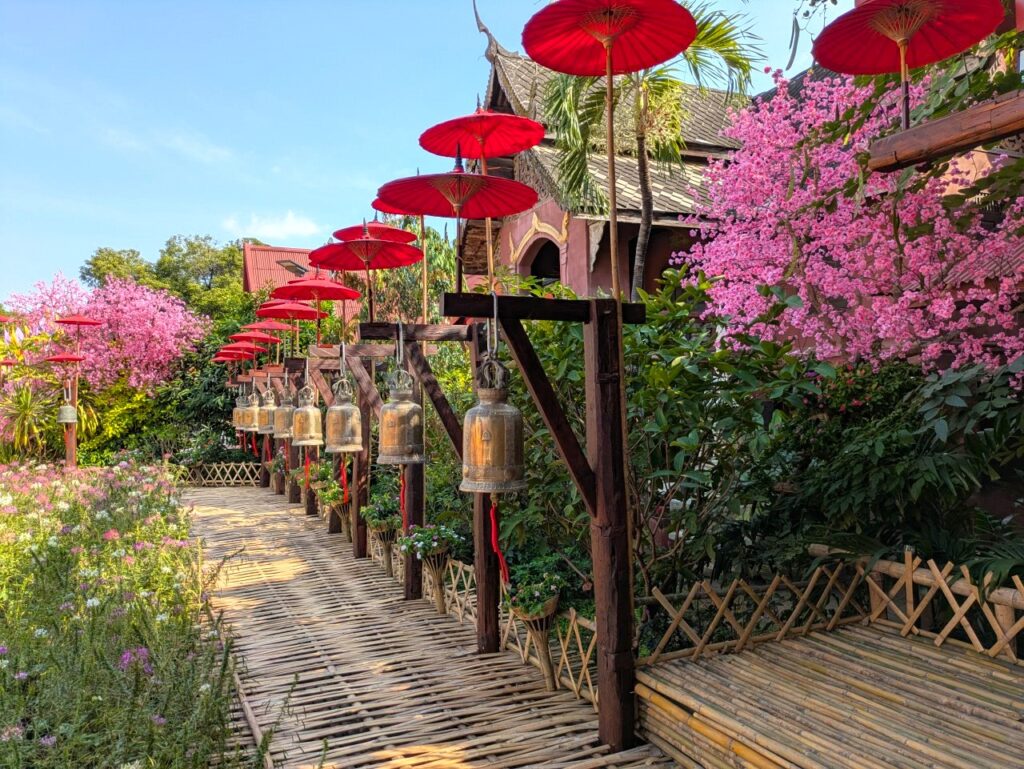
- Quiet temple grounds with beautiful flowers in the fall.
- Reflection ponds.
- The temple becomes especially magical during Loy Krathong/ Pi Peng festivals.
- Beautiful lighting during sunrise and sunset.
Inside Chiang Mai Old City near:
- Wat Chedi Luang
- Sunday Walking Street
- Tha Phae Gate area
Easy to visit during a self-guided Old City temple walk.
Wat Pa Dara Phirom
Wat Pa Dara Phirom is a favorite of the must see temples just outside the city. This one you need transportation to get to. Many tourist don’t know about it, since it is not right in the city, but locals I know love it. It is located about 20-30 minutes (depending on traffic) north off route 107 on the way to Mae Rim.
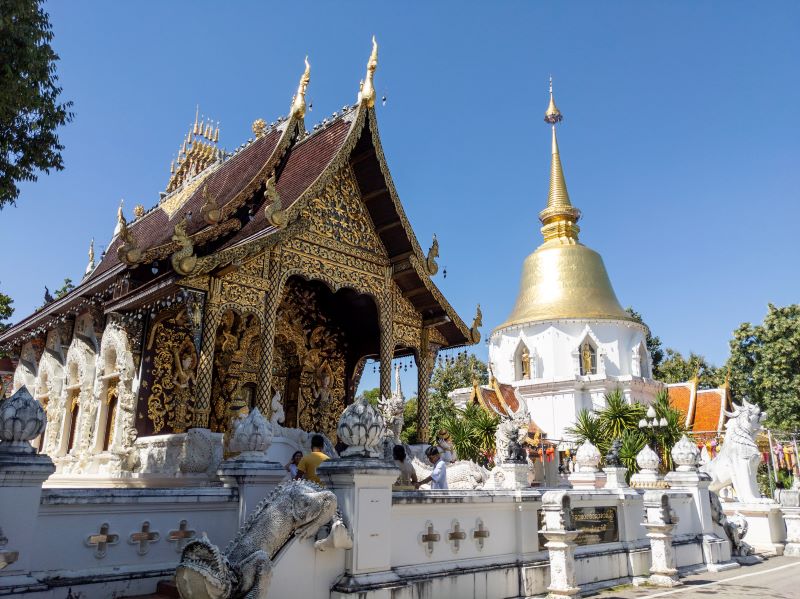
The outside wall itself is impressive and the entrance is guarded by two large lions. The Ubosot and other buildings are Lanna style, but with very intricate details. The temple is closely associated with Princess Dara Rasmi, a Lanna princess and royal consort of King Rama V.
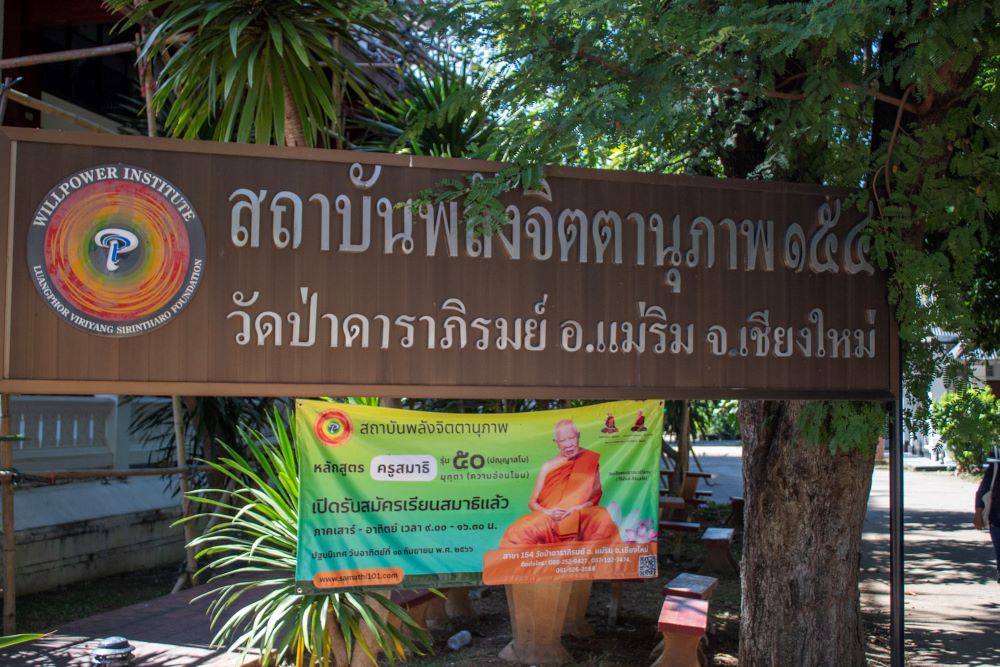
The temple began as a forest meditation site near the former palace grounds of Princess Dara Rasmi. It officially became Wat Pa Dara Phirom in the 1940s after royal land donations connected to the princess’s estate. This is a great place to come meditate. There is a meditation center and a school for monks.
Why Go?
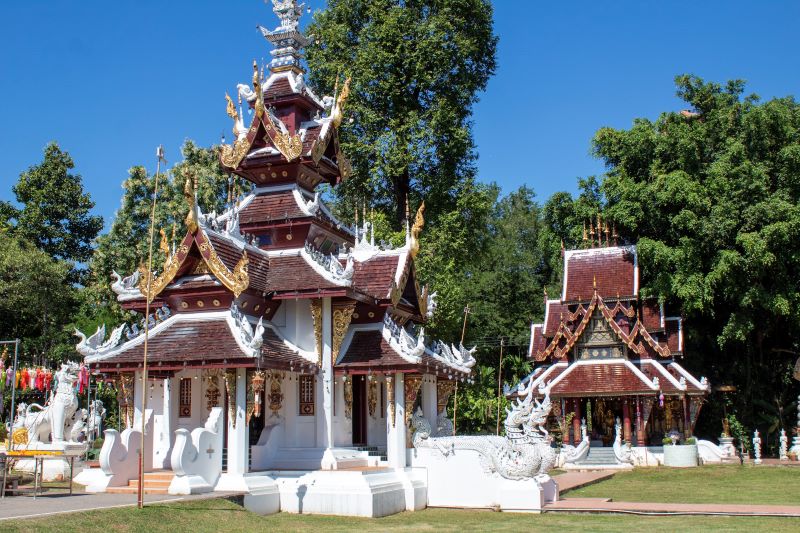
- Elegant Lanna royal architecture with richly decorated viharns and teak details.
- A large golden chedi containing sacred relics.
- Strong ties to the Thai Forest Tradition and the famous monk Ajahn Mun Bhuridatta.
- Quiet landscaped grounds that feel more meditative and spacious than many city temples.
- A blend of traditional northern Thai and Burmese-influenced design.
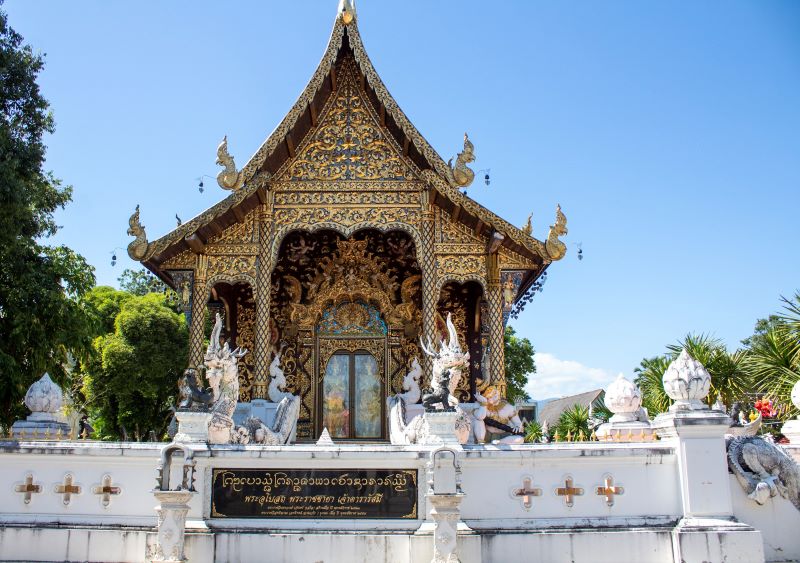
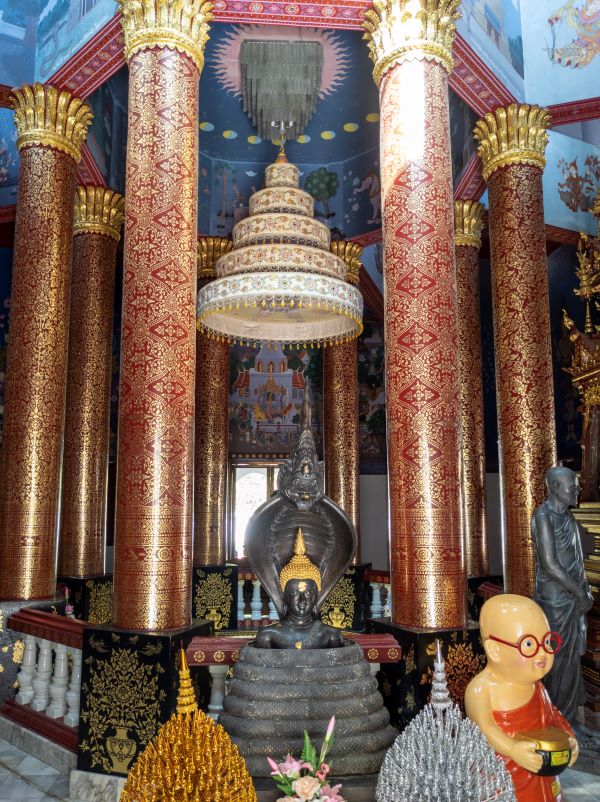
- This temple is located in Mae Rim District, Chiang Mai.
- Open daily roughly 6:00 AM–6:00 PM.
- Easy to combine with nearby attractions like Dara Pirom Palace Museum, Mae Rim cafés, or Doi Suthep area drives.
Travel Resources
Agoda is the best place to book cheap affordable hotels in Thailand, especially near national parks. They also book flights as well.
Expedia is my favorite place to book flights, hotels, cars, and more. Their group includes Hotels.com and Vrbo for vacation rentals.
Viator is the top choice for activities. Book everything from a waterfall tour to scuba diving, jungle trekking to cooking classes.
12Go is the top transportation source for Asia. From busses to trains to regional flights.
This page contains links to affiliate partner websites, at no cost to you. As an Amazon Associate I earn from qualifying purchases. See Disclosure Page. Amazon and the Amazon logo are trademarks of Amazon.com, Inc. or its affiliates.